Posted by Joe Delaney on 8th Apr 2026

Sustainable vaping isn't just a buzzword - it's what the entire UK market has been forced to become. Since the disposable ban took effect in June 2025, the industry has shifted decisively toward refillable, rechargeable devices that produce a fraction of the waste. But the changes go deeper than swapping a disposable for a pod kit. New recycling regulations, smarter packaging, and a growing culture of responsible use are reshaping how vapers buy, use, and dispose of their kit. Here's what that looks like in practice, and what it means for you.
Why Did Vaping Need to Get More Sustainable?
The numbers behind disposable vapes were staggering. Before the ban, UK consumers were throwing away an estimated 8 million single-use vapes every week - devices containing lithium batteries, circuit boards, plastic casings, and residual e-liquid, almost none of which was being recycled properly. Research by Material Focus found that only around 17% of vapers were recycling their disposables at all. The lithium alone - over 40 tonnes discarded annually - could have powered roughly 5,000 electric vehicle batteries.
It wasn't just the waste itself. Improperly binned vapes caused over 1,200 fires at UK waste sites in a single year, because lithium batteries ignite when crushed or punctured during waste processing. That's a serious safety problem for waste workers and local communities, not just an abstract environmental concern. And because disposable vapes were classified as electronic waste but rarely treated as such, the UK's recycling infrastructure simply wasn't set up to handle the volume.
The disposable ban, which came into force on 1 June 2025, addressed the most visible part of the problem. But the real sustainability shift has been broader - and in many ways, more interesting.
How Refillable Devices Changed the Equation
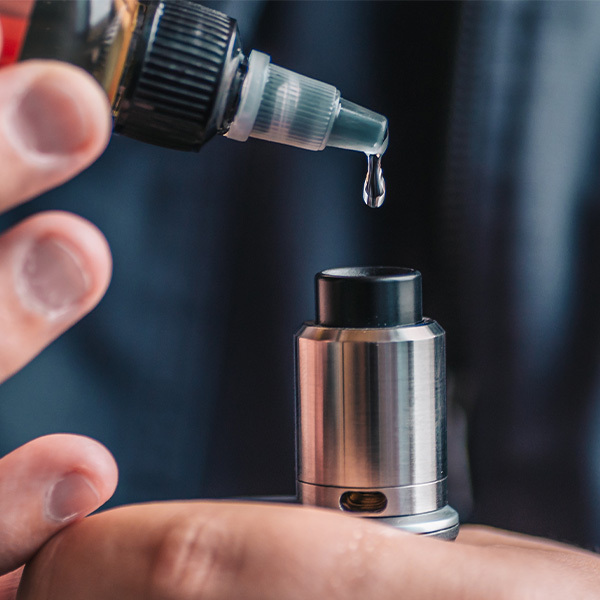 The most significant environmental win has been the mass migration from single-use to refillable and rechargeable devices. The maths here is straightforward: a refillable pod kit used with bottled e-liquid generates a tiny fraction of the waste that disposables did.
Consider a typical scenario. A pack-a-day smoker switching to vaping might have gone through five to seven disposables a week - each one a sealed unit containing a battery, coil, e-liquid, and plastic housing, all destined for landfill. The same vaper using a refillable pod kit replaces a pod every few days and recharges the battery. Over a year, that's the difference between hundreds of discarded devices and a handful of replacement pods plus some recyclable e-liquid bottles. The environmental gap between those two approaches is enormous.
What's changed since the ban is that manufacturers have responded with devices that genuinely match the convenience disposables offered. Modern pod kits are draw-activated, prefilled options exist for those who don't want to handle e-liquid, and the form factors have become properly pocket-friendly. The barrier to entry that once made disposables the "easy" choice has largely disappeared.
For anyone still using prefilled pod systems, switching to a refillable kit with bottled e-liquid is worth considering - not just for sustainability, but because it works out significantly cheaper per millilitre too.
The WEEE Regulations: Recycling Gets Teeth
One of the most important - and least talked about - developments is the tightening of WEEE (Waste Electrical and Electronic Equipment) regulations around vaping products.
From August 2025, vapes were given their own dedicated WEEE category (Category 15), separating them from the catch-all grouping they'd previously been lumped into alongside toys and leisure equipment. This matters because it means producers - anyone manufacturing or importing vaping devices into the UK - now have to fund the actual costs of collecting and recycling waste vapes through approved compliance schemes. Previously, those costs were shared across producers of completely unrelated products, which meant nobody was really accountable for vape-specific waste.
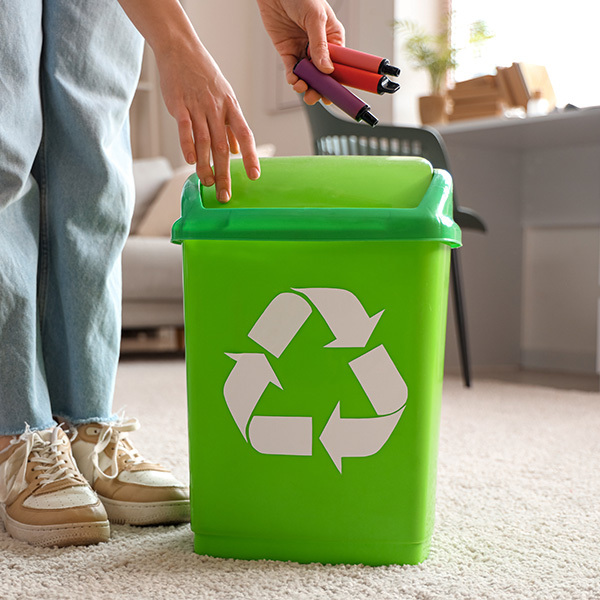
From August 2026, specific recycling targets for vape waste come into full effect. Retailers are already legally required to offer take-back services: if you buy a vape from a shop, that shop must accept your old one for recycling. Online retailers have to provide postal return schemes or direct customers to drop-off points. This isn't voluntary guidance - failure to comply can result in fines and prosecution.
The practical upshot is that recycling your vape kit is now easier than it's ever been. Most high-street vape shops have collection bins, household waste recycling centres accept them, and several nationwide schemes offer dedicated vape recycling with proper battery handling and material recovery. Veolia, Totally Wicked, and others run collection services that safely dismantle devices and separate lithium, copper, aluminium, and plastics for reuse.
What this means in practice: when your device reaches end-of-life, don't bin it. Drop it at any vape retailer, use a postal return scheme, or take it to your local recycling centre. The materials inside can be recovered and fed back into manufacturing supply chains.
How the Industry Itself Is Changing
It's worth stepping back from the consumer side and looking at what's happening at the manufacturer and retail level, because some of the most meaningful sustainability progress is happening behind the scenes.
UK e-liquid manufacturers have been moving toward reduced packaging, FSC-certified cardboard, water-based inks, and fully recyclable materials throughout their supply chains. Several brands have stripped out unnecessary inserts and plastic wrapping from their product packaging - small changes individually, but significant when multiplied across millions of units sold each year.
Device design is evolving too. The trend is toward modular hardware where individual components - pods, coils, batteries - can be replaced independently rather than discarding the whole unit. This extends the useful life of a device considerably. A well-maintained pod kit can last a year or more, with only consumable parts needing replacement along the way.
Supply chain transparency matters here too. Buying from established UK retailers who work with MHRA-notified suppliers ensures full traceability - you know what's in the liquid, where it came from, and that it meets UK regulatory standards. That might not sound like a sustainability point at first glance, but it's directly connected: products that meet proper quality and safety standards are less likely to end up recalled, seized, or dumped, and they come from supply chains with genuine accountability built in. Choosing a reputable retailer with a curated range is a quieter form of sustainable buying, but it counts.
E-Liquid Packaging: Smaller Changes, Real Impact
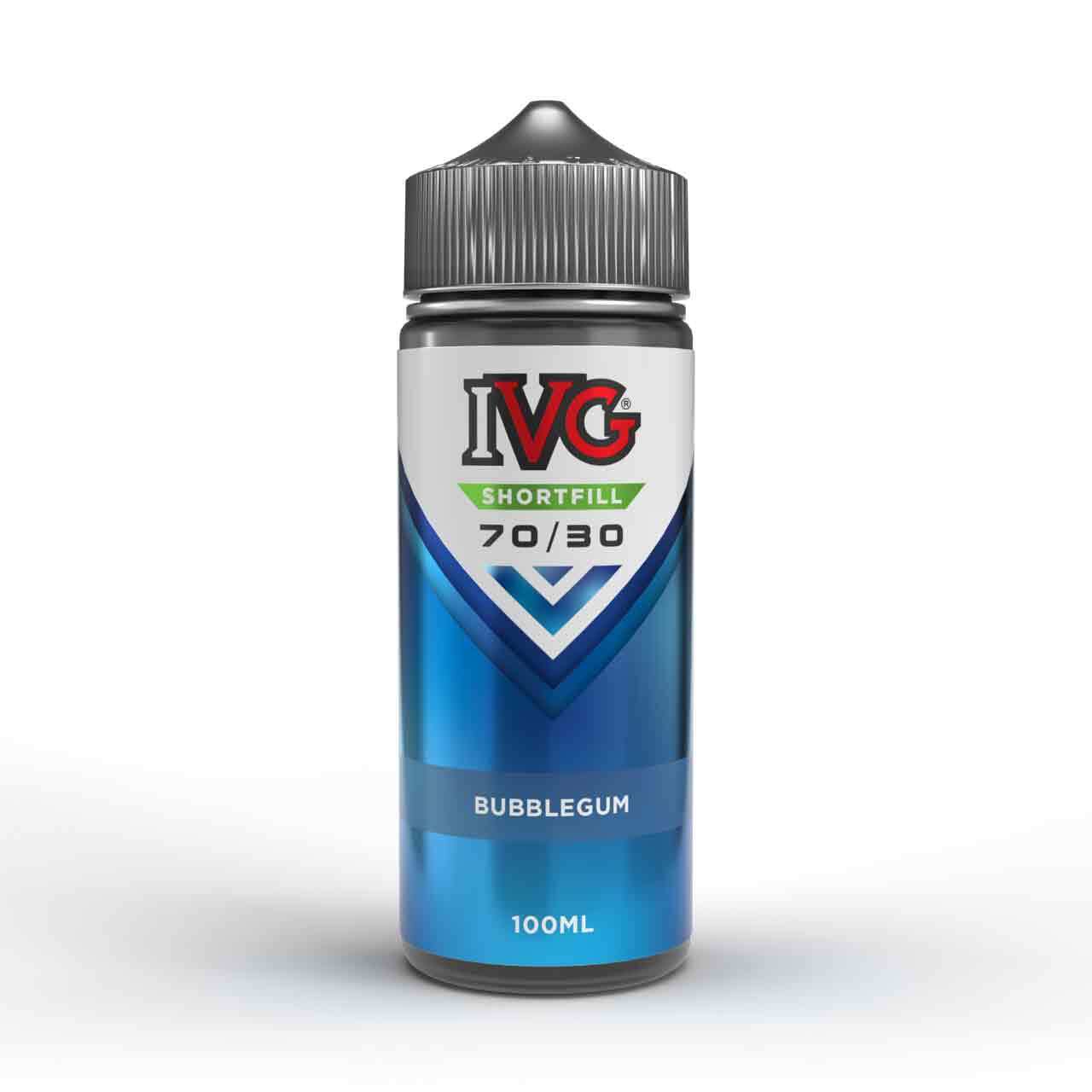 It's easy to focus on the hardware, but e-liquid packaging is part of the picture too. Most e-liquid bottles in the UK are made from recyclable plastics - PET, HDPE, and LDPE - and can go into household recycling once rinsed clean. The cardboard outer packaging is straightforwardly recyclable.
The more interesting shift is in how vapers buy e-liquid. Larger bottles produce less packaging waste per millilitre. A single 100ml shortfill generates far less plastic than ten individual 10ml bottles containing the same volume. If you've settled on flavours you enjoy, buying in larger formats is one of the simplest sustainability improvements you can make - and it saves money.
This becomes even more relevant with the Vaping Products Duty arriving in October 2026. The new £2.20 per 10ml levy applies to all e-liquid regardless of nicotine content, so buying efficiently isn't just an environmental consideration anymore - it's a financial one. Stocking up on your preferred e-liquids before October is worth thinking about if you want to get ahead of the price increase.
What You Can Do: Practical Steps for More Sustainable Vaping
This doesn't require a lifestyle overhaul. A few straightforward choices make a meaningful difference:
Use a refillable device. This is the single biggest impact change. A rechargeable pod kit with bottled e-liquid produces dramatically less waste than any prefilled alternative. Kits like the Vsavi Cigalike rangeare specifically designed for simplicity and have refillable options - you don't need to be technically minded to use a refillable system.
Buy e-liquid in larger bottles where possible. Fewer bottles means less plastic. Shortfills and larger formats from ranges like Pure E-Liquids give you more liquid per unit of packaging.
Recycle your hardware properly. Don't put old devices in the household bin. Use retailer take-back schemes, local recycling centres, or postal return services. Batteries should never go in general waste - they're a genuine fire hazard.
Rinse and recycle e-liquid bottles. Empty the bottle, give it a quick rinse, remove the label if you can, and put it in your plastic recycling. The cap can usually go in too.
Look after your kit. A device that lasts longer is a device you don't need to replace. Proper charging habits (don't leave it plugged in overnight), keeping connections clean, and storing your kit sensibly all extend its lifespan. Our guide to cleaning your vape coil and tank is a good place to start if you want to keep your device performing well for longer.
Is Sustainable Vaping Actually Better Value?
Yes - and it's not close. Refillable systems cost more upfront (a decent pod kit runs £15-£30), but the ongoing costs are substantially lower. A 10ml bottle of e-liquid costs £3-£5 and lasts most vapers several days. Compare that to the per-unit cost of prefilled pods or the old disposable habit, and refillable vaping typically works out 60-70% cheaper over a month.
With the new Vaping Products Duty arriving in October 2026 - adding £2.20 per 10ml to all e-liquid - cost efficiency matters even more. The tax applies to liquid, not hardware, so investing in a quality refillable device and buying e-liquid smartly is the best way to keep your running costs down. Pure E-liquids has put together a blogpost to help you learn more about what the vape tax means for you if you want the full breakdown.
Buying sensibly, choosing refillable hardware, and looking after your kit aren't just good for the environment. They're good for your wallet.
Frequently Asked Questions
How do I recycle my old vape kit? All UK vape retailers are legally required to accept used devices for recycling. You can also take them to household waste recycling centres or use postal return schemes offered by several manufacturers. Never put vapes in your household bin - the lithium batteries are a fire risk.
Are e-liquid bottles recyclable? Yes. Most UK e-liquid bottles are made from recyclable plastics (PET, HDPE, or LDPE). Rinse the bottle to remove residue, remove the label if possible, and place it in your household plastic recycling. Cardboard packaging can go straight into paper recycling.
What's more sustainable - prefilled pods or refillable pods with bottled e-liquid? Refillable pods with bottled e-liquid produce less waste overall. Prefilled pods are more convenient, but each discarded pod contains plastic and a small amount of metal. Refillable systems let you reuse the same pod multiple times before replacing it, which adds up to significantly less waste over time.
Will the October 2026 vape tax affect sustainability? Indirectly, yes. The £2.20 per 10ml duty applies to all e-liquid, but it hits smaller bottles proportionally harder in terms of overall price increase. Vapers who already buy in larger formats and use refillable devices will feel the impact less - which aligns neatly with the most sustainable way to vape anyway.